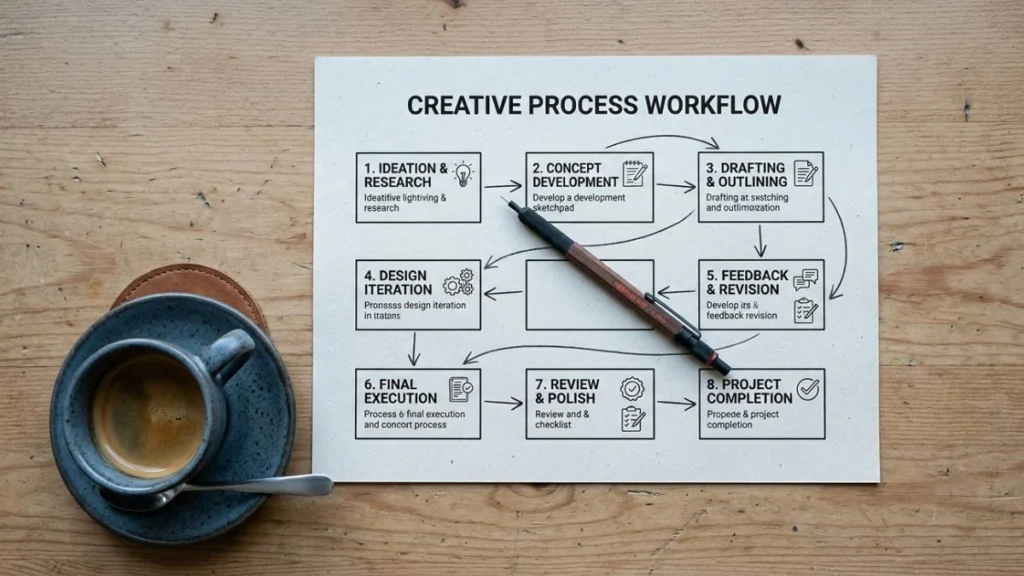
AI client onboarding workflow is a connected sequence of automated steps — triggered by contract signature — that handles welcome communications, project setup, document generation, scheduling, and team notification without manual input from the service provider.
The first 48 hours after a client signs are the most important in any service relationship. They set the tone, establish professionalism, and either confirm that the client made the right decision — or introduce the first seed of doubt. Most service businesses handle this period manually, which means it happens inconsistently: sometimes fast and impressive, sometimes delayed and disorganized, depending on how busy the provider is when the signature comes in.
An AI client onboarding workflow makes the first impression consistent regardless of when or how busy you are. The contract gets signed at 11pm on a Friday, and by Saturday morning the client has received a warm welcome email, a personalized project brief, access to their client workspace, a calendar link to book the kickoff call, and a notification that their project is officially underway. All of it happened automatically. None of it required you to be at your desk.
This guide builds that workflow in five steps using Make.com as the automation hub. If you’re new to Make.com or want to understand the broader automation framework before building this specific workflow, the complete guide to AI workflow automation for professionals covers the foundation. If you’ve already built your invoicing automation, this workflow connects naturally to it — the invoice automation for freelancers guide shows how the billing side of the client lifecycle runs on the same platform.
Why Manual Onboarding Is Costing You More Than Time
The time cost of manual onboarding is the obvious problem — 45 to 90 minutes per new client, depending on the service. For a business onboarding four to eight clients per month, that’s six to twelve hours of administrative work that produces no billable output.
The less obvious cost is inconsistency. When onboarding depends on the provider’s availability and attention, the experience varies. A client who signs on a slow Tuesday gets a response within an hour. A client who signs during a deadline week waits two days. That inconsistency communicates something about how the business operates — and not something positive.
The third cost is scope creep risk. Clients who don’t receive a clear, structured onboarding — project scope documented, expectations set, timelines confirmed — are more likely to expand requests informally, because nothing formal ever established the boundaries. A well-built onboarding workflow delivers that clarity automatically, before the first deliverable conversation happens.
Priya runs a brand strategy consultancy and onboarded clients manually for three years. “The embarrassing part was that my best clients got my worst onboarding — because they signed during my busiest periods,” she said. “After I automated it, a client told me I was the most organized agency she’d ever worked with. The automation did more for my reputation than anything I’d consciously tried to build.”
In other words, onboarding automation isn’t just an efficiency play — it’s a client experience investment that pays dividends in retention, referrals, and scope clarity.
The Tools You Need
This workflow connects four platforms through Make.com. All have free or low-cost entry points.
Make.com — the automation hub. Every trigger and action in this workflow runs through Make.com’s visual scenario builder. Create your Make.com account here — the free plan handles this workflow comfortably for most service businesses.
DocuSign or HoneyBook — the contract and signature platform. The workflow triggers when a contract is signed, so your e-signature platform is the starting point.
Notion — the client workspace platform. Each new client gets a Notion workspace generated from a template automatically. Notion AI drafts the personalized project brief inside it.
Calendly — for kickoff call scheduling. A personalized Calendly link goes to the client automatically as part of the welcome sequence.
Gmail or Outlook — for all client-facing email communication throughout the workflow.
Optional additions:
- Slack — internal team notifications when a new client onboards
- Google Drive — for document storage if not using Notion
- Stripe — for automatic deposit invoice generation at contract signature
The 5-Step AI Client Onboarding Workflow
Step 1: Contract Signature Trigger
The entire workflow begins the moment a contract is signed. This is the cleanest trigger available — it’s a clear, binary event that signals the client relationship has officially started.
In Make.com, create a new scenario and set the trigger to DocuSign: Watch Envelope Status Changes (or the equivalent in HoneyBook, PandaDoc, or your e-signature platform). Configure it to fire specifically when status changes to “Completed” — meaning all parties have signed.
Capture the following data at the trigger stage — it flows through every subsequent step:
- Client full name
- Client email address
- Project type or service package
- Contract value
- Project start date
- Assigned team member (if applicable)
Pro Tips for Trigger Configuration
Test with a completed real contract, not a draft — Make.com’s test run needs actual completed envelope data to map fields correctly. Send a real contract to a test email address, complete it, then run the trigger test.
Add a filter immediately after the trigger — if your e-signature platform handles multiple document types (contracts, NDAs, proposals), add a Make.com filter that ensures only client contracts — not other document types — trigger the onboarding workflow. Use a naming convention in your contract templates to make this filter reliable.
Step 2: Welcome Email with Personalized Project Brief
Within minutes of the trigger firing, the client receives a warm, professional welcome email. Not a system notification — a genuine, personalized message that references their specific project and sets a positive tone for the engagement.
Add a ChatGPT / OpenAI: Create Completion module to Make.com. Use the client name, project type, and contract value captured in Step 1 to prompt the AI:
Write a warm welcome email to a new client named {{client name}}
who has just signed a contract for {{project type}} services
at {{contract value}}. The email should:
- Thank them for choosing to work together
- Express genuine enthusiasm for their specific project
- Outline what happens next (workspace access, kickoff call,
  project timeline)
- Set a warm, professional tone
- Be under 200 words
The AI generates a personalized email in the workflow — not a template with a name dropped in, but a genuinely contextual message built from their contract data. Add a Gmail: Send Email module immediately after, routing the AI output to the client’s email address.
This step alone — a personalized welcome arriving within minutes of signing, at any hour of the day — produces a stronger first impression than most manually written welcome emails sent hours later.
Step 3: Client Workspace Setup
Immediately after the welcome email sends, Make.com creates the client’s dedicated workspace in Notion.
Add a Notion: Create Page module configured to duplicate your master client workspace template. The template should include:
- Project overview section (populated automatically from contract data)
- Shared documents folder
- Communication log
- Project timeline placeholder
- Deliverables tracker
Then add a second ChatGPT: Create Completion module to generate a personalized project brief inside the workspace:
Write a project brief for a {{project type}} engagement
with {{client name}}. Include:
- Project objectives (based on: {{project description from contract}})
- Scope of work summary
- Key milestones and timeline
- Communication protocols
- Definition of success for this engagement
Format as a professional document, approximately 300 words.
Add a Notion: Append Block to Page module to insert the AI-generated brief into the workspace page. Then add a Notion: Share Page module to grant the client view access to their workspace using their email address.
The client now has a dedicated, branded workspace waiting for them — populated with a project brief that reflects their specific engagement, generated entirely by the workflow.
Step 4: Kickoff Call Scheduling
Add a Gmail: Send Email module with a scheduling message that includes the client’s personalized Calendly link.
If you use Calendly’s event types to separate project types — which is worth setting up — Make.com can route different project types to different calendar links automatically, ensuring the kickoff call length and agenda match the service purchased.
The scheduling email should be brief and action-oriented:
Subject: Book Your {{Project Type}} Kickoff Call — [Your Name]

Hi {{Client Name}},

Your project workspace is ready — you can access it here:
[Notion link]

The next step is our kickoff call, where we'll align on
priorities, timeline, and how we'll work together.
Book a time that works for you here:

[Calendly link]

Looking forward to getting started.

[Your name]
Keep this email short and focused on a single action — booking the call. The welcome email (Step 2) already covered warmth and enthusiasm. This email covers logistics.
Pro Tips for Scheduling Automation
Use a dedicated kickoff event type in Calendly — create a specific Calendly event type for kickoff calls with a pre-populated agenda sent automatically to both parties. This means the client arrives at the call knowing what to expect, and you arrive without having to prep a custom agenda for each one.
Add a 24-hour reminder sequence — connect Calendly to Make.com to trigger a reminder email and a brief pre-call preparation note 24 hours before the scheduled kickoff. This reduces no-show rates and ensures both parties arrive prepared.
Step 5: Internal Team Notification and CRM Update
The final step handles the internal side of the onboarding — notifying your team and updating your records so nothing falls through the gap between “contract signed” and “project started.”
Add a Slack: Send Message module (or Gmail if you don’t use Slack) that posts to your team channel:
🎉 New client onboarded: {{Client Name}}
Project: {{Project Type}}
Value: {{Contract Value}}
Start date: {{Start Date}}
Workspace: [Notion link]
Assigned to: {{Team Member}}
Then add a Google Sheets: Add Row module (or your CRM integration) to log the new client with:
- Client name and email
- Project type and value
- Contract date
- Onboarding completion status: Automated ✅
- Kickoff call status: Pending
This creates an automatic running record of every client onboarded — with onboarding completion confirmed as a data point, not something you have to manually track.
The Complete Workflow at a Glance
| Step | Action | Platform | Timing |
|---|---|---|---|
| 1 | Contract signed trigger | Make.com + DocuSign | Immediately |
| 2 | Personalized welcome email | ChatGPT + Gmail | Within 2 minutes |
| 3 | Client workspace created + brief generated | Make.com + Notion AI | Within 3 minutes |
| 4 | Scheduling email with Calendly link | Gmail | Within 5 minutes |
| 5 | Team notification + CRM update | Slack + Google Sheets | Within 5 minutes |
Total elapsed time from contract signature to complete onboarding: under 5 minutes. Total manual input required: zero.
Extending the Workflow
Once the core five steps run reliably, two extensions add significant value.
Connect to invoice automation. Trigger a deposit invoice automatically at contract signature using the Stripe or FreshBooks integration. The client’s first financial interaction with your business — paying the deposit — happens in the same automated sequence as their first relational interaction — receiving the welcome email. For the full billing automation build, the invoice automation for freelancers workflow uses the same Make.com platform with compatible modules.
Add a 7-day check-in. Use Make.com’s Sleep module to trigger a brief check-in email seven days after onboarding — asking how the client is settling in and whether they have any questions before the kickoff call. This touchpoint requires no manual memory and produces outsized goodwill for the effort involved.
For service businesses that want to build this workflow hands-on — and extend it with more complex AI agent capabilities — a practical Make.com automation course covers the full platform from beginner scenarios to multi-step AI workflows with real business applications.
The businesses that build this workflow and let it run find that onboarding stops being a task they manage and becomes a system they trust. Every client gets the same excellent first impression — not because the provider had a good week, but because the workflow doesn’t have bad weeks.
FAQ
What is an AI client onboarding workflow?
An AI client onboarding workflow is a connected sequence of automated steps — triggered by a contract signature — that handles welcome emails, workspace creation, project brief generation, kickoff scheduling, and team notification without manual input. Make.com connects the platforms involved; AI generates personalized content at each stage.
How long does it take to build this workflow?
The core five-step workflow takes three to five hours to build in Make.com for someone new to the platform. Each step is built and tested independently before connecting to the next, which makes troubleshooting straightforward. Once built, the workflow requires minimal maintenance — occasional updates when integrated platforms change their APIs or when your onboarding template evolves.
Can this workflow work for agencies with multiple team members?
Yes. The workflow supports team assignment routing — using the project type or client data from the contract to assign the new client to the appropriate team member automatically and notify that person specifically via Slack. For agencies with defined service lines, routing logic can be added to the workflow to handle different onboarding templates for different service types.
What if a client doesn’t use Notion?
The workspace creation step can be adapted to Google Drive, ClickUp, Asana, or any project management platform that Make.com integrates with. The core logic — creating a workspace from a template and sharing it with the client automatically — works the same way regardless of the platform. Notion is used here because its native Make.com integration and AI writing capabilities make it the most efficient option for document generation within the workflow.