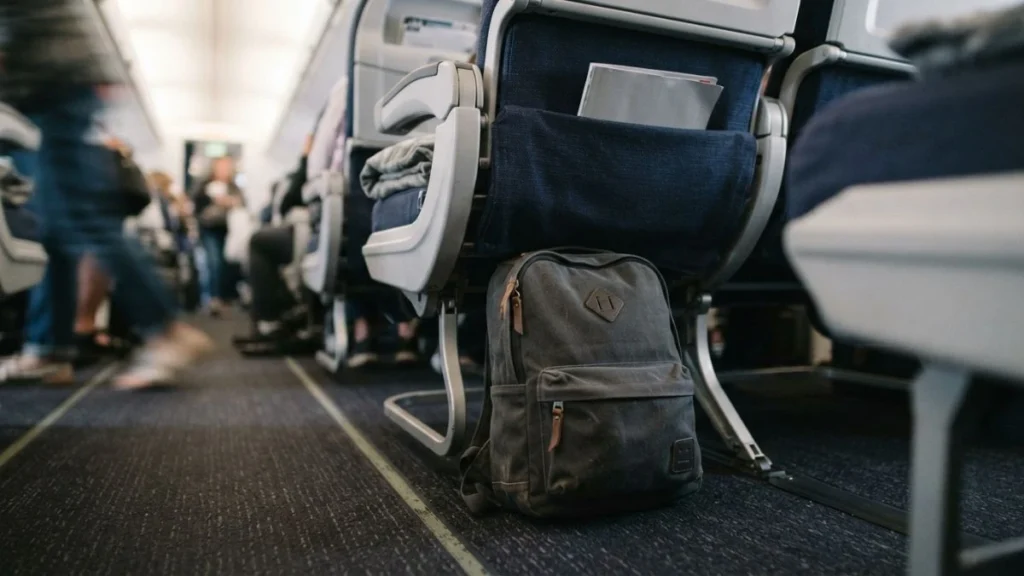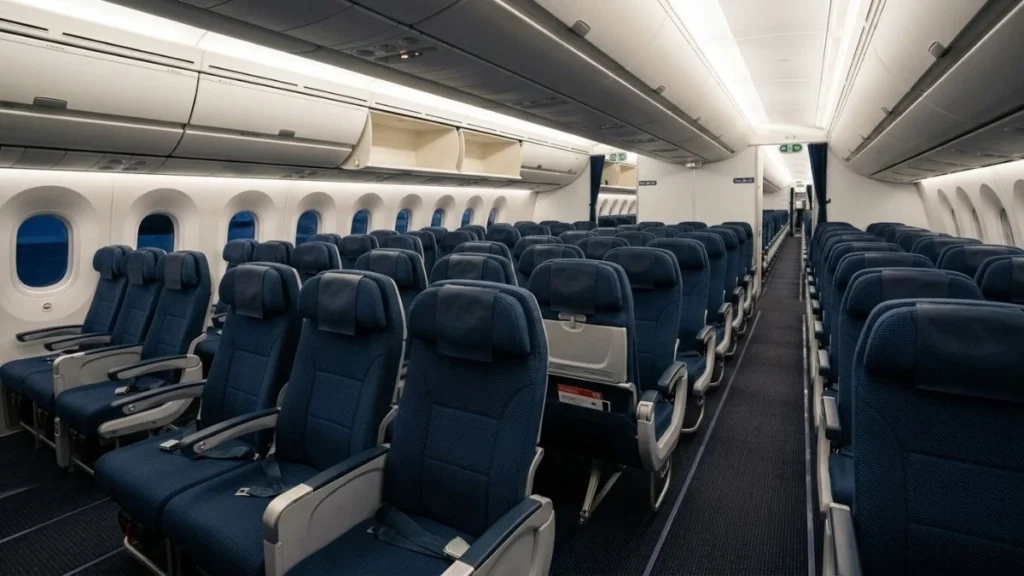
There’s no single “best seat number” on a Boeing 777 that works across every airline, because economy configuration varies by carrier — some fly a wider, more comfortable 3-3-3 layout while most use the denser, more common 3-4-3. What does transfer across airlines are the general seat-selection principles: bulkhead rows offer more legroom but no underseat storage during takeoff and landing, exit rows offer legroom but often can’t recline, and the last few rows near the galley and lavatories bring more noise and foot traffic regardless of which airline is operating the flight.
Asking “what’s the best seat on a Boeing 777” is a bit like asking “what’s the best apartment layout” — the honest answer is that it depends entirely on which specific building you’re in, since airlines configure the same aircraft type in genuinely different ways. What’s useful isn’t a single seat number, but understanding the recurring patterns that hold across nearly every 777 configuration, so you know what to look for on your specific airline’s seat map.
Quick Facts
- Economy configuration varies by airline: Most carriers fly a 3-4-3 layout (9 seats across); a smaller number of airlines use the wider, more comfortable 3-3-3 configuration instead — worth checking before assuming your seat width
- Bulkhead rows: More legroom, but no underseat storage during takeoff and landing, and the tray table is built into the armrest rather than folding from the seat ahead
- Exit rows: Extra legroom, but seats often can’t recline and armrests may be fixed in place — a real tradeoff for the space
- Rows to generally avoid: The last few rows in each cabin, typically near the galley and lavatories, which bring more noise, light, and foot traffic throughout the flight regardless of airline
- Business/First class variation: Even within one aircraft type, some airlines fly multiple distinct cabin versions on the same 777 model (different seat products on different specific planes) — checking your exact flight’s seat map matters more than checking “the 777” in general
- How to check your specific flight: Seat-mapping tools that let you enter your flight number are more reliable than general aircraft guides, since they account for your specific airline’s configuration and any cabin refit that’s been done to that particular plane
Why “the Best 777 Seat” Isn’t One Answer
The Boeing 777 is flown by dozens of airlines, and each one configures the cabin differently — different seat counts, different pitch, sometimes even different numbers of classes entirely between airlines flying nominally the “same” aircraft. Two travelers both flying “a 777” could be experiencing meaningfully different width, legroom, and cabin layout depending purely on which airline they booked. This is why seat-selection advice specific to your airline and even your specific flight number is considerably more useful than general “777 tips” that don’t account for this variation.
Economy: Check Whether You’re in a 3-3-3 or 3-4-3
The single biggest variable for economy comfort on the 777 is which of two common configurations your airline uses. A 3-3-3 layout, with three seats on each side and three in the middle, offers noticeably more width per seat than the denser, more widely used 3-4-3 configuration, which squeezes an extra seat into the middle section. Most carriers operate the 3-4-3 layout, since it maximizes seat count, but a smaller number of airlines have kept the wider, more comfortable spacing — checking which configuration your specific airline flies before booking is worth doing if seat width matters to your comfort on a long-haul route.
Bulkhead and Exit Rows: Real Tradeoffs, Not Free Upgrades
Both bulkhead and exit row seats offer more legroom than a standard row, but neither is a strict upgrade without a catch. Bulkhead seats — positioned right behind a cabin divider or galley wall — give you nothing to stow under the seat in front of you during takeoff and landing, since there’s no seat there, meaning your bag has to go in the overhead bin for those phases of flight, and the tray table folds out from the armrest instead of the seatback. Exit row seats deliver genuine extra pitch, but frequently come with a fixed, non-reclining seatback and sometimes fixed armrests, a real comfort tradeoff for travelers who value being able to lean back during a long flight.
Where to Avoid, Regardless of Airline
A pattern that holds up consistently across nearly every 777 configuration is that the last few rows in any given cabin tend to be the least desirable, largely due to proximity to the galley and lavatories. This means more foot traffic throughout the flight, more ambient noise from meal service preparation, and more light exposure from the galley area during a flight where you’re trying to rest — factors that apply whether you’re flying a 3-3-3 or 3-4-3 economy layout, or even in premium cabins positioned near a galley.
Business and First Class: Even More Variation
Premium cabins introduce an additional layer of complexity worth knowing about: some airlines operate multiple distinct business or first class seat products across their 777 fleet — an older configuration on some specific aircraft, a newer, more private one on others — even though both are technically “the same aircraft type” on paper. This means checking your specific flight’s actual seat map, rather than general information about an airline’s 777 fleet, is the only reliable way to know which cabin version you’ll actually experience. A dedicated seat-mapping tool that accepts your specific flight number is more useful here than a general aircraft guide, since it accounts for both your airline’s configuration and which particular refit status your specific plane is in.
Conclusion
There’s no universal “best seat” on a Boeing 777 because the aircraft is configured differently by nearly every airline that flies it — what matters is checking your specific airline and flight number’s actual seat map, and applying the general principles that do hold consistently: bulkhead for legroom without underseat storage, exit rows for legroom without recline, and avoiding the last rows near the galley regardless of which cabin you’re flying in.
FAQ
What’s the best economy seat on a Boeing 777?
It depends entirely on your airline’s specific configuration. First, check whether your flight uses the wider 3-3-3 layout or the more common, denser 3-4-3 layout, since that affects overall seat width more than any single seat number. Within either layout, bulkhead and exit rows generally offer more legroom, each with its own tradeoff.
Should I choose a bulkhead seat on a Boeing 777?
It depends on your priorities. Bulkhead seats offer more legroom but no underseat storage during takeoff and landing, requiring your bag to go in the overhead bin, and the tray table folds from the armrest rather than the seatback.
Are exit row seats worth choosing on a Boeing 777?
They offer real extra legroom, but frequently come with a seat that doesn’t recline and sometimes fixed armrests. It’s a genuine comfort tradeoff worth weighing against a standard seat with normal recline.
Why should I avoid the last rows on a Boeing 777?
The last few rows in most cabins sit near the galley and lavatories, which tends to bring more noise, light, and foot traffic throughout the flight — a pattern that holds across nearly every airline’s 777 configuration, regardless of specific seat numbers.
How do I find the actual seat map for my specific 777 flight?
Using a seat-mapping tool that lets you enter your specific flight number is more reliable than a general Boeing 777 guide, since airlines — and even individual aircraft within the same airline’s fleet — can have different cabin configurations and refit statuses.
Seat selection strategy connects to other cabin-comfort topics — see Why Do Airplane Seats Recline? and Can Airlines Change Your Seat? for related Aviation Explained and Airlines content.
Official Sources
No single government or official authority source was used; cabin configuration details and seat-selection patterns are drawn from several independent seat-map guides (including SeatCompare, PlaneFYI, and Flight Seatmap) that are consistent with each other as of mid-2026, rather than a single claim requiring one authoritative reference. Airline- and aircraft-specific cabin configurations change over time — manual verification with a flight-number-based seat-map tool is recommended before publishing.